AI Agent Guides, Comparisons, and Tutorials
Guides, comparisons, and tutorials for working with AI agents. Written from primary sources, edited before publishing.
All articles
Beam AI vs Stack AI vs Gumloop vs BuildShip vs Toolhouse vs Relevance AI: Which Agent Automation Platform Can You Actually Buy
Which Browser Automation API Should You Build an Agent On?
LiteLLM vs Portkey vs Helicone: Which AI Gateway for Production Traffic
Search, Crawl, or Extract: Which Web Data API Does Your Agent Actually Need?
Composio vs Nango vs Arcade.dev vs StackOne vs Merge: Which Agent-to-App Connectivity Platform to Build On
Harvey vs Legora vs CoCounsel vs Spellbook: Which Legal AI Tool for Which Job
No-Code AI Agent Builders: What You Give Up Versus Writing the Code
Which AI Medical Scribe Should a Hospital Pick Now That Epic Has Shipped Its Own?
AI Model Providers Compared: What the Same Workload Actually Costs
Vector Database or Memory Layer: Which One Does Your Agent Actually Need?
AI Sales Agents a Small Team Can Actually Afford
AI recruiting tools and the EU AI Act: what applies now, and what waits until December 2027
Workflow automation for AI agents: where each platform stops being free
AI coding agents compared: what each one is actually good at
AI customer service agents: what they really cost per resolved conversation
Which AI agent frameworks are actually open source — and what the licence covers in production
TinyFish, reviewed: one API for web search, extraction, and browser agents
Best AI Coding Agents in 2026: 10 Tools Compared

AI Coding Assistant: Best Tools, Pricing, and Comparisons for 2026

Cline vs Cursor: MCP, Model Choice, and Workflow Control

Cursor Alternatives in 2026: Open-Source, Free, and Enterprise Picks

AI Agent Pricing Compared in 2026: What the Top Tools Actually Cost

Best Free AI Agents: 10 Tools With Real Free Tiers

How to Choose an AI Agent: A Practical Buyer's Framework

AI Sales Agents: Best Tools for Outreach and Qualification

Best AI Workflow Automation Tools: Where Agents Fit in Business Processes

AI Customer Service Agent: Best Tools for Support Teams in 2026

LangGraph vs CrewAI vs AutoGen: Which Should You Use?

Best AI Agents in 2026: 12 Tools Tested for Different Jobs

Claude Code vs Cursor: Which AI Coding Agent Should You Use?

AI Agents for Small Businesses: Simple Tools That Actually Save Time

Best AI Coding Agents: 9 Tools Compared for Developers

Best AI Agent Builder: 8 Tools for Teams That Want to Create Their Own Agents

Best AI Agents for Customer Support

AI Agent Directory: How to Browse and Compare AI Agents

AI Agents Marketplace: How It Differs From a General AI Tools Directory

Generative Engine Optimization: How AI-Native Tools Get Discovered

AI tools directory: discover, compare, and choose the best AI products
AI Agent Trends 2026: What Leaders Need to Know
AI Agent Definition: Complete Guide
Google's A2A Protocol: How AI Agents Communicate Across Frameworks

Best No-Code AI Agent Builders for Every Skill Level
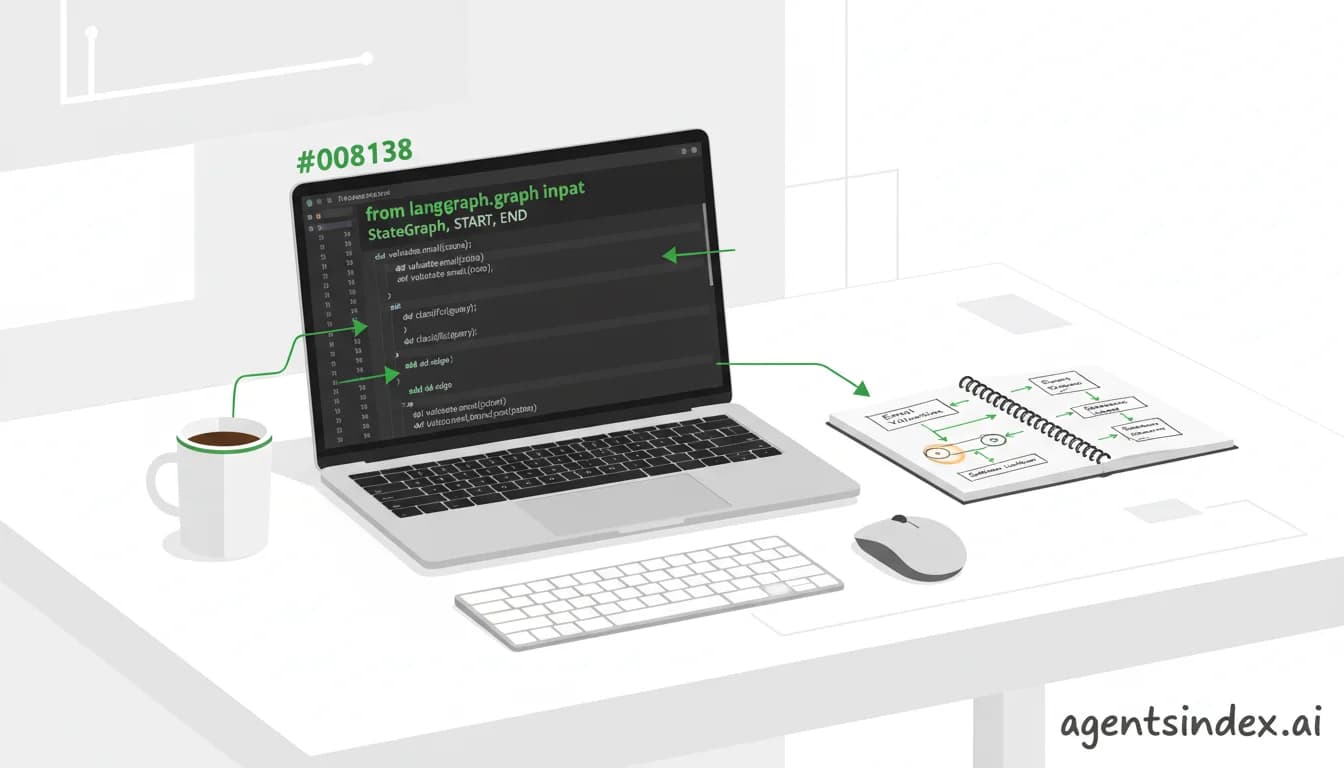
LangGraph Tutorial: Build a Working ReAct Agent with the v1.0 API
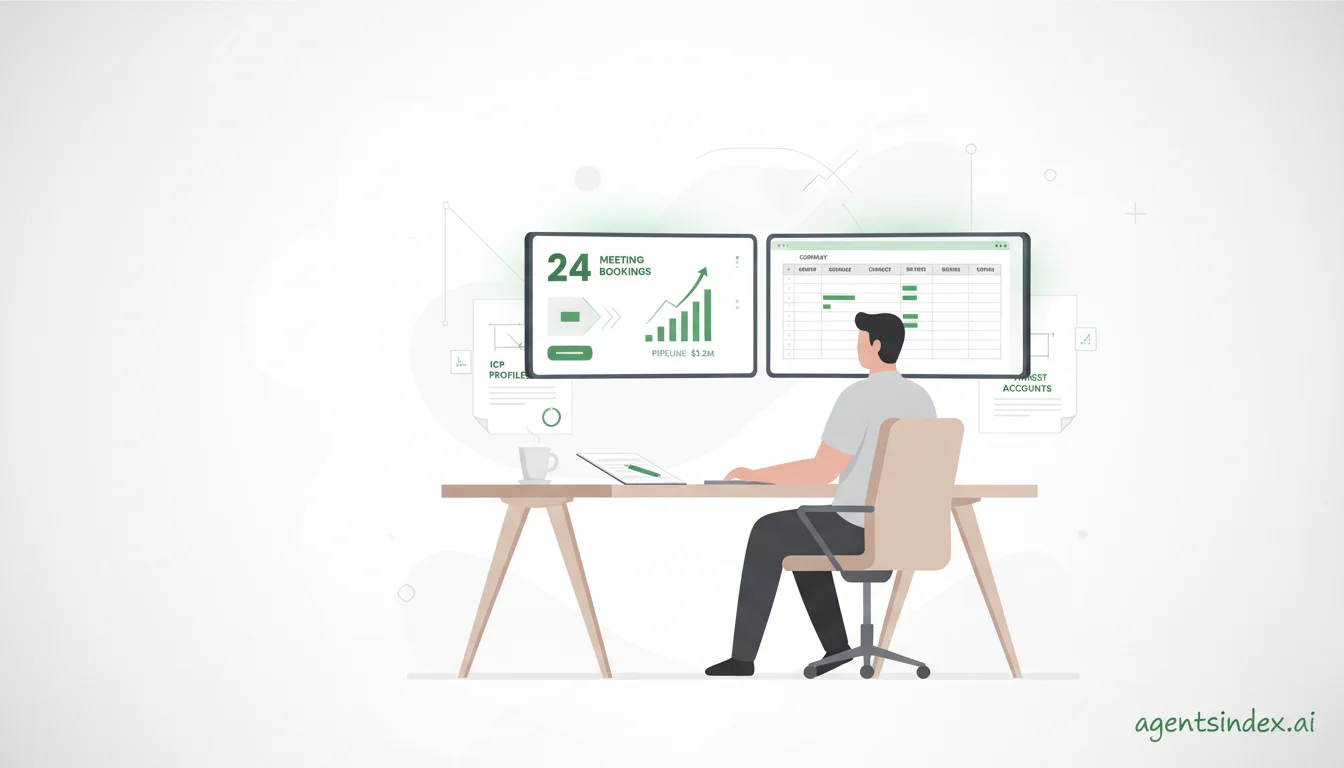
Best AI Agents for Sales: A 3-Category Guide to Choosing the Right Tool
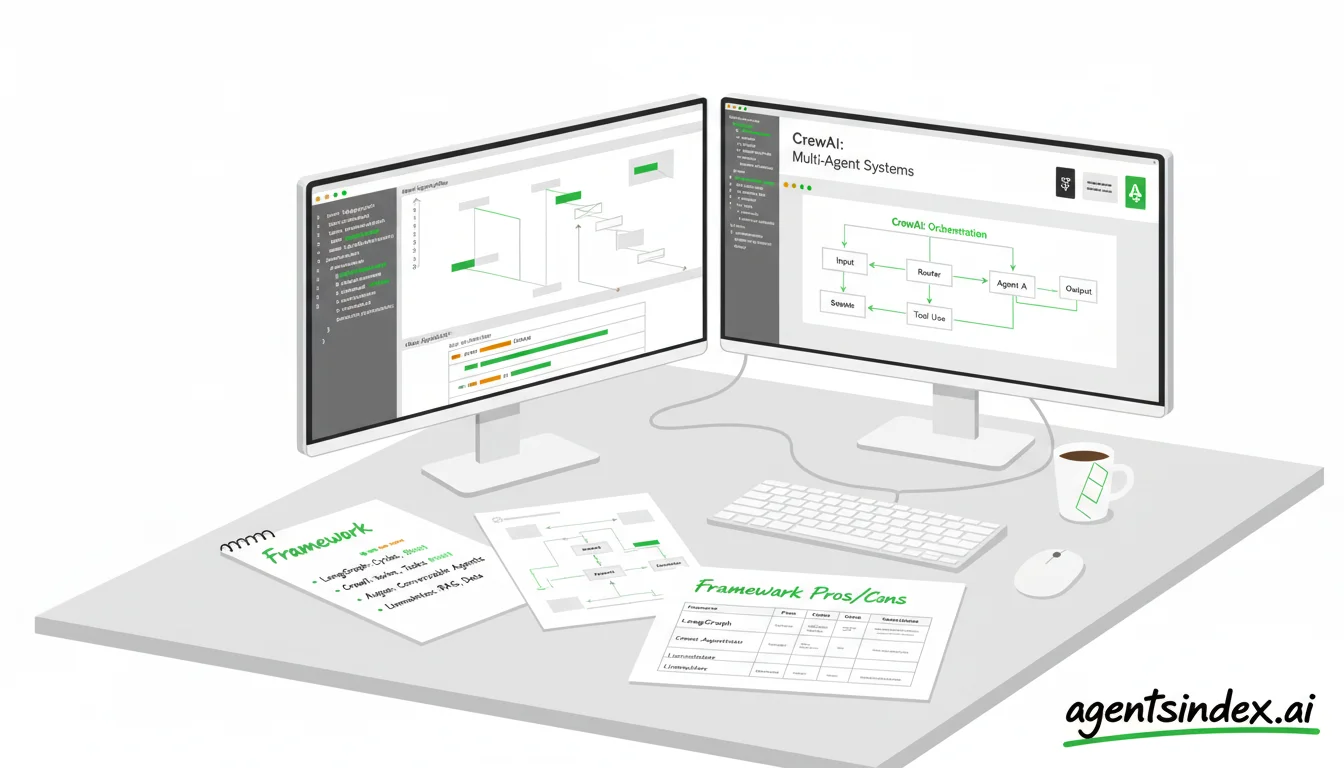
How to Choose an AI Agent Framework: A Decision Guide for Every Use Case
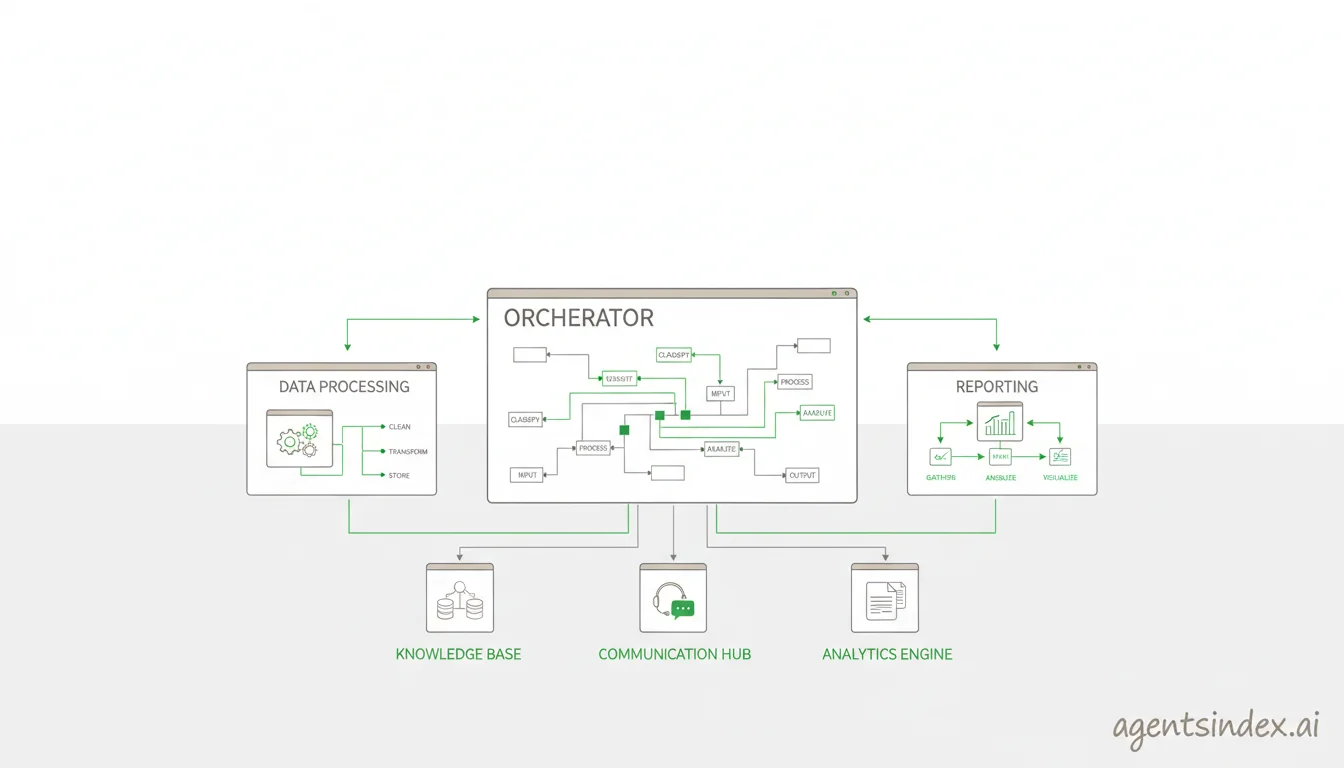
Multi-Agent Systems: How They Work, When to Use Them, and Which Architecture to Choose
AG2 vs CrewAI: The Complete Comparison (Including the AutoGen Rebrand Explained)
15 AI Agent Use Cases: Real Tools and Measurable Outcomes by Industry
8 Best Cursor Alternatives: Free, Open-Source & Enterprise Options
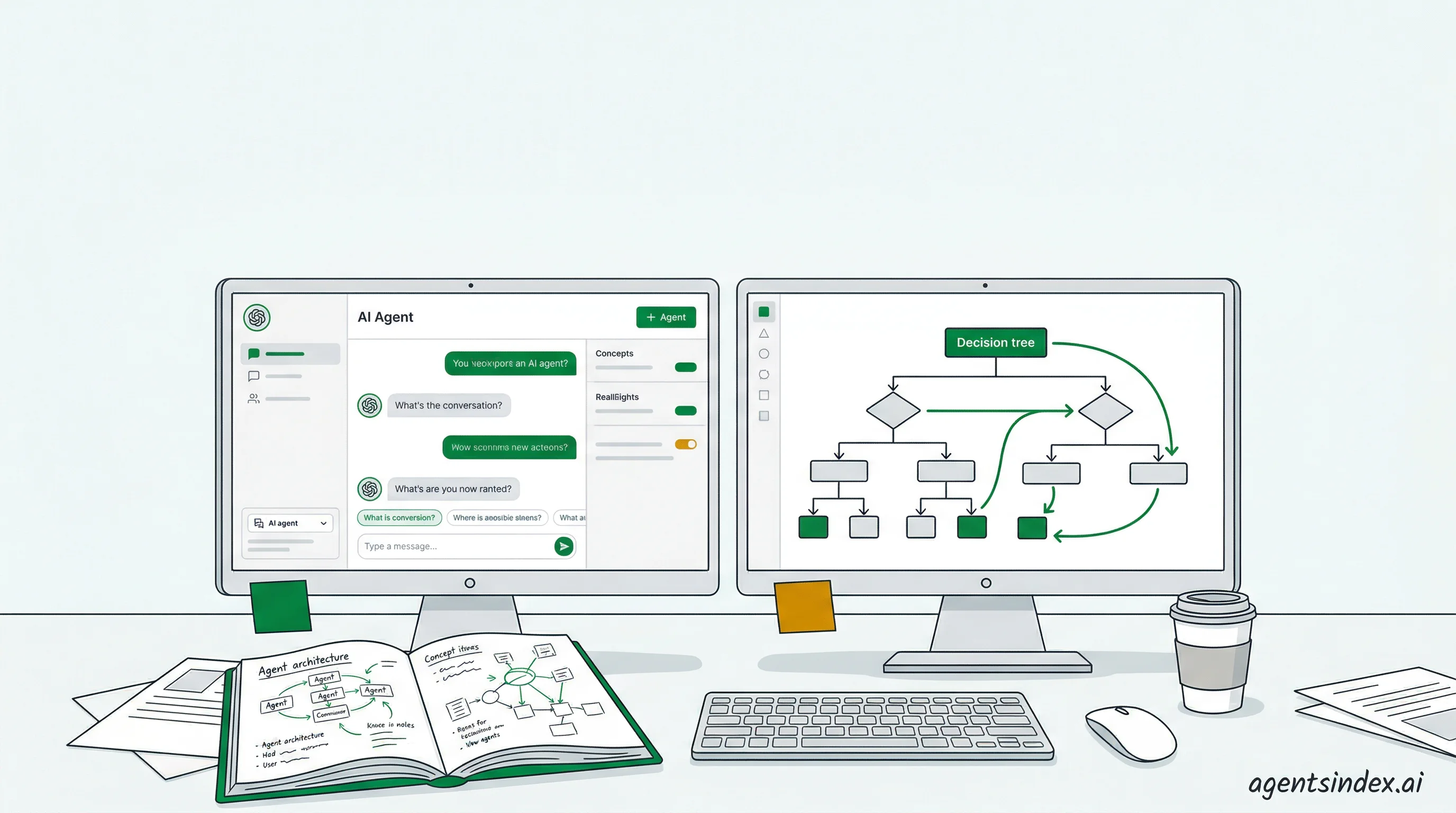
Types of AI Agents: The Complete Guide From Theory to Practice
Cline vs Cursor: Which AI Coding Agent Should You Use?
Best AI Agent Frameworks for Building Production-Ready Agents
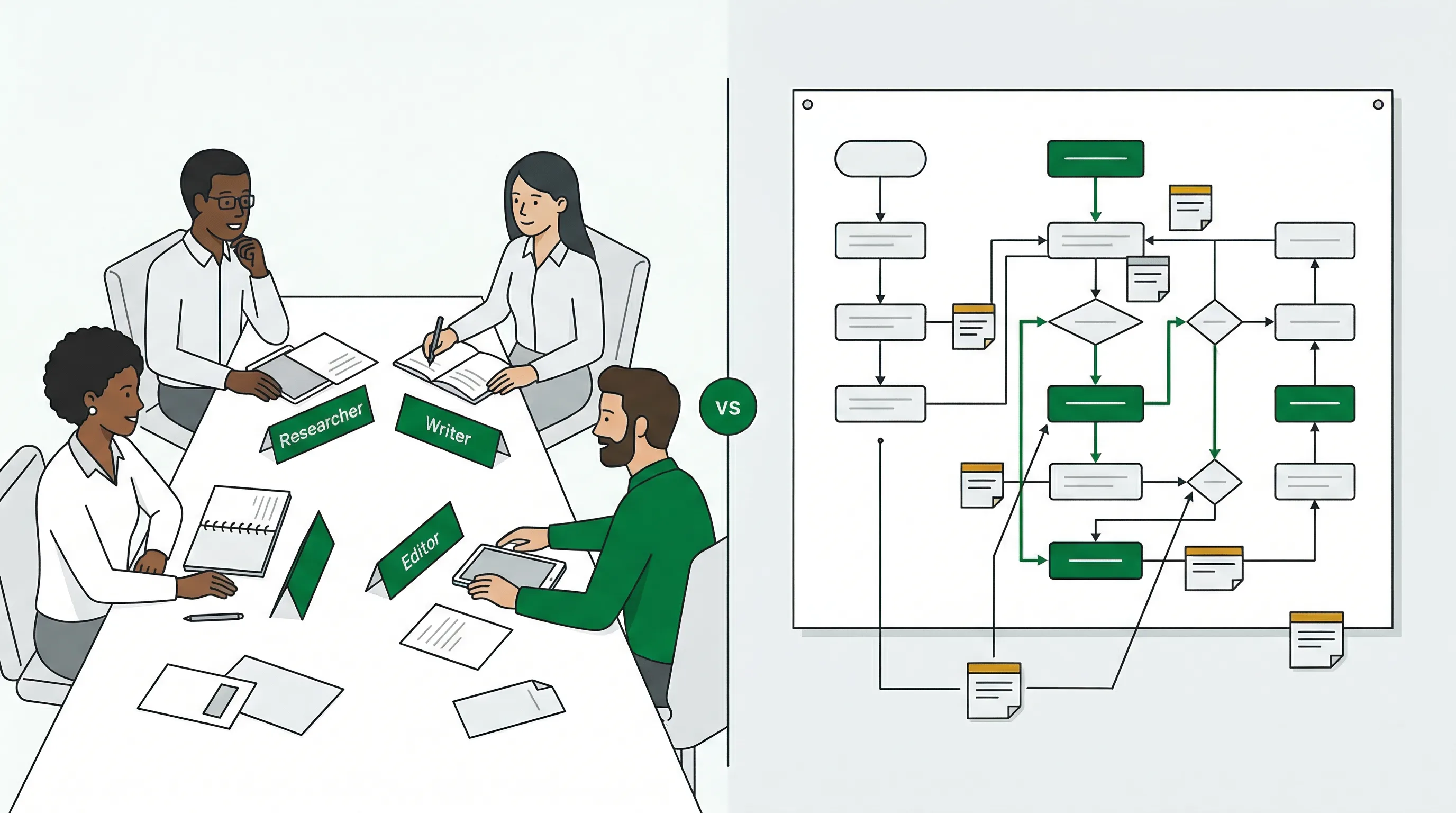
CrewAI vs LangGraph: Which Framework Should You Build With?
Frequently asked questions
What are AI agents?
AI agents are software systems that use large language models to execute multi-step tasks with some autonomy. Unlike a single prompt-and-response, an agent plans, uses tools (APIs, search, file systems), evaluates results, and decides the next step. Agents can write code, analyze data, run workflows, handle support, and coordinate with other agents.
What is the difference between an AI agent and an AI assistant?
An AI assistant responds to individual prompts and waits for direction before each next step. An AI agent executes multi-step tasks autonomously, chaining tool calls, file edits, and decisions without continuous human input. The line is blurring as most assistants are adding agentic capabilities, but the defining trait of an agent is task completion across multiple actions.
Which AI agent framework should I start with?
Depends on what you're building. LangChain is the lowest-friction entry point if you need a simple sequential workflow. LangGraph has become the industry default for stateful agents that loop, branch, and check in with humans. CrewAI fits role-based multi-agent setups. For coding specifically, Claude Code, Cursor, and Cline lead — your preferred workflow decides which.
Where should I start if I am new to AI agents?
Read a framework comparison to see the landscape (LangChain vs LangGraph, CrewAI vs AutoGen), then pick a use-case post that matches what you want to build — coding, sales, research, customer support. Every post links to the tools and frameworks it covers in the AgentsIndex directory, so you can follow your interest into actual products.
 Your brand here — Reach readers browsing the index for AI agents.